Explore our signature architectural pendant installations engineered to meet stringent Japanese standard systems.
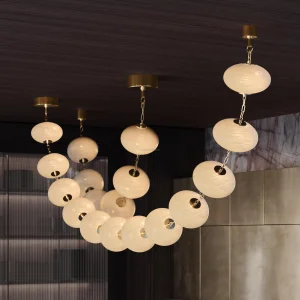
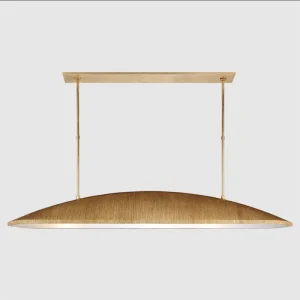
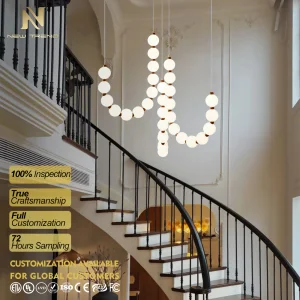
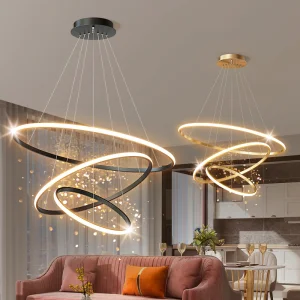
Japan’s architectural landscape represents a sophisticated synthesis of heritage-rich philosophies like Wabi-Sabi and cutting-edge structural engineering. As dense urban environments in Tokyo, Osaka, and Kyoto continue to expand their hospitality, commercial, and high-end residential footprints, the demand for premium decorative pendant lighting has witnessed a massive transformation. No longer merely functioning as basic illuminators, modern pendant lighting fixtures in Japan are treated as critical focal points in interior architecture, driving spatial narrative and physiological comfort.
The current commercial environment in Japan is characterized by extreme attention to light quality, spatial layout, and power integration. Major real estate developers such as Mitsui Fudosan, Mori Building, and Mitsubishi Estate demand fixtures that are structurally resilient, seismically compliant, and energy-efficient. In retail centers like Ginza or Omotesando, decorative lighting is the key mechanism used to enhance the "dwell time" of consumers. The integration of high-color-rendering (CRI > 90) LED technology within decorative pendants ensures that materials, luxury goods, and architectural textures are rendered with absolute fidelity.
However, local Japanese manufacturing capacity faces significant challenges. The structural decline in skilled manual labor, combined with high domestic production and assembly overheads, has created a major dependency on reliable overseas exporters. Japanese design agencies and contractors look for global suppliers who understand their strict regulatory framework—specifically the PSE (Product Safety Electrical Appliance & Materials) certification—while possessing the production agility to customize fixtures for massive commercial layouts.
Contemporary architectural practices in Japan place a major emphasis on Human-Centric Lighting (HCL). Light is engineered to match circadian rhythms, shifting smoothly from cool, high-lux settings during active morning hours to warm, low-lux tones in the evening. As a result, decorative pendant lights must incorporate advanced dimmable technologies, such as DALI, 0-10V, or Zigbee wireless controls, integrated cleanly into the fixture's housing.
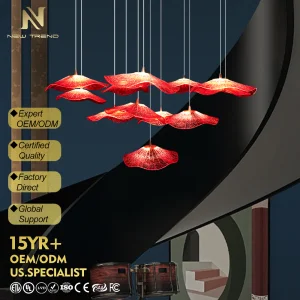
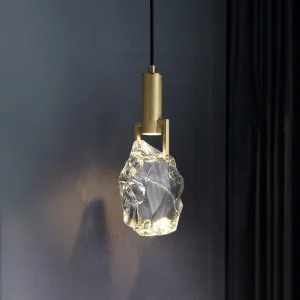
In terms of materials, there is a clear preference for natural glass, brass, and textured metals that develop a rich patina over time. Japanese designers frequently request customized modifications of classic geometries. Linear pendants are preferred for co-working spaces and executive offices in Shinjuku, while irregular blown-glass pendants are selected for high-end hospitality lobbies and Ryokans (traditional Japanese inns) where soft, non-glare, diffused light is essential.
Information Gain Insight: Unlike Western markets where lighting is often installed as a late-stage decorative addition, Japanese architectural workflows integrate lighting details directly into the early BIM (Building Information Modeling) phases. Heat dissipation, mounting canopy design for earthquake resilience, and ceiling structural load limits are strictly assessed before a fixture is approved.
Therefore, successful exporters must provide complete photometric data (IES files), precise structural drawings (CAD/Revit), and lightweight structural designs that minimize ceiling load without sacrificing the aesthetic scale of the installation.
Architectural grade pendant fixtures engineered for long-term performance and minimal maintenance.
Sourcing decorative pendant lights for Japanese projects demands a deep understanding of unique local requirements. Unlike other regional standards, Japan utilizes specific installation methods, voltage metrics, and seismic protection rules that foreign suppliers must follow.
Electrical safety in Japan is governed by the DENAN Law (Electrical Appliance and Material Safety Act). Decorative lighting fixtures generally fall under the Category of "Specified Electrical Appliances" (requiring the Diamond PSE Mark) or "Non-Specified Electrical Appliances" (requiring the Circle PSE Mark), depending on their internal driver architectures and structural design. Exporting without these markings will result in customs rejection and project delays.
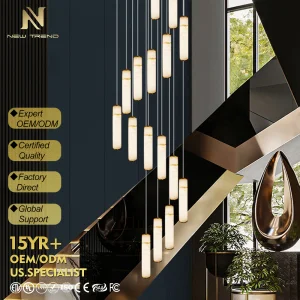
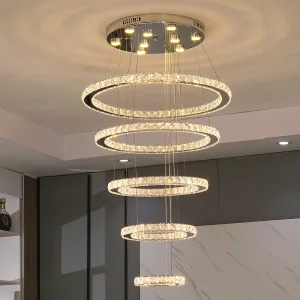
Japan is one of the most seismically active zones globally. Decorative pendants, especially heavy custom chandeliers installed in high-ceiling lobbies or public stairwells, must be engineered with secondary safety cables, heavy-duty chains, and reinforced ceiling canopies. The fixture must undergo stress testing to ensure it can absorb lateral motion during an earthquake without structural failure.
Japan operates on a unique 100V electrical system with separate frequencies of 50Hz (Eastern Japan, including Tokyo) and 60Hz (Western Japan, including Osaka/Kyoto). Exporters must provide wide-voltage drivers (100V–240V or dedicated 100V) that operate smoothly at both frequencies. Dimming protocols must be highly compatible with local control systems like Panasonic's Cosmo Series or Lutron Japan.
As a premier lighting hub, Foshan in Guangdong Province represents the peak of global lighting manufacturing technology. Here, Foshan CAPIVANA Lighting Co., Ltd. leverages a highly optimized "Factory 4.0" ecosystem to provide unmatched supply chain resilience and cost efficiency to global markets, including Japan.
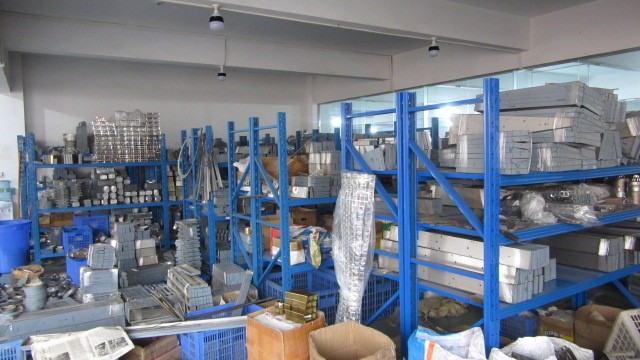
Operating from our state-of-the-art facility spanning over 10,000 square meters, CAPIVANA integrates advanced automated metal processing, precision CNC routing, and dedicated dust-free assembly rooms. This industrial scale allows us to achieve what domestic Japanese workshops cannot: rapid prototyping, massive output capacity, and consistent quality control at highly competitive price points.
A Legacy of Customization: Since 2012, CAPIVANA has maintained a team of over 150 skilled staff, including specialized structural engineers and lighting designers. This allows us to offer extensive OEM & ODM services, translating conceptual sketches from Japanese design offices into high-performance, PSE-compliant lighting fixtures.
By utilizing a vast raw-material network in Guangdong, we mitigate supply chain disruptions. Whether the design demands specialized K9 crystal, custom-cast brass, or bespoke blown glass, our material sourcing and processing stages are streamlined to guarantee predictable lead times and uncompromising quality.
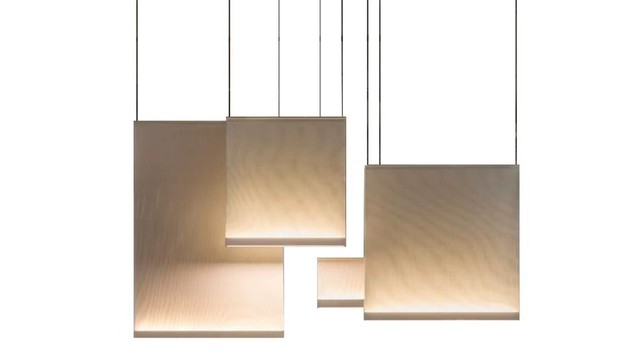
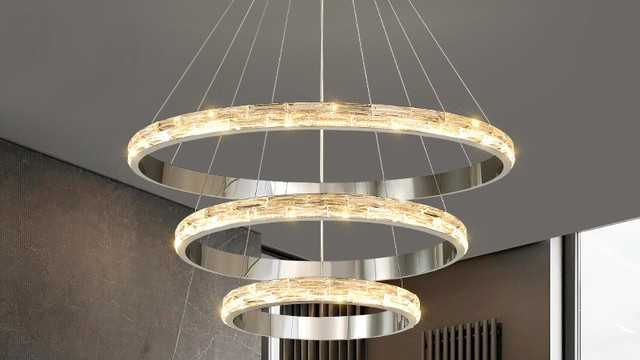


To achieve peak performance, lighting design must adapt to specific commercial spaces. Here is how CAPIVANA's decorative pendant fixtures are applied across key commercial sectors in Japan:
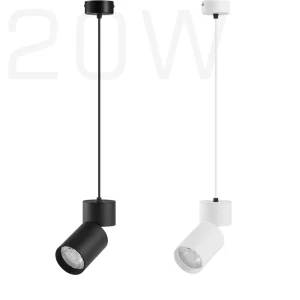
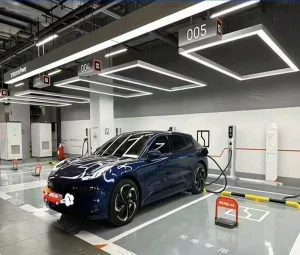
In luxury retail, lighting is the silent salesman. By combining high CRI (Ra > 95) chipsets with custom-finished linear pendants, store designers can create environments that draw eyes to display shelves while maintaining an upscale, modern ambiance.
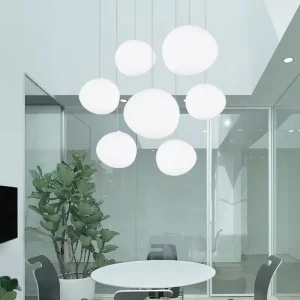
Traditional hospitality values intimacy and soft, indirect lighting. Custom hand-made Wabi-Sabi glass and brass pendants create warm, organic glow effects, blending with natural wood finishes and tatami flooring to offer guests a tranquil retreat.
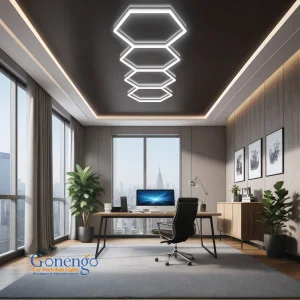
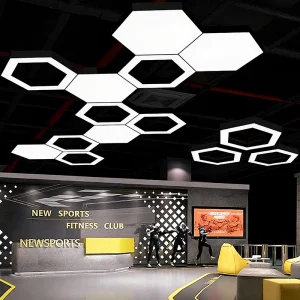
Modern Japanese office environments prioritize employee well-being and productivity. Linkable honeycomb anti-glare linear pendants are perfect for open-plan desks and boardrooms. They provide glare-free, uniform light that satisfies local Japanese safety and workplace lighting standards.
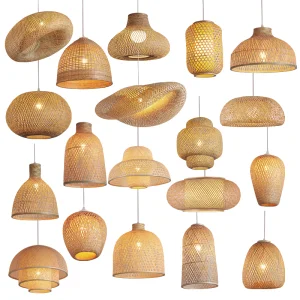
Discover our wide selection of decorative pendants, ideal for commercial spaces, hospitality lobbies, and high-end residential interiors.
Established in 2012 in Foshan, China, Foshan CAPIVANA Lighting Co., Ltd. is a leading decorative lighting manufacturer specializing in high-performance indoor and commercial lighting solutions for global markets. We have built a solid reputation by blending innovative lighting design, reliable manufacturing, and custom OEM & ODM services.
Our main product range includes decorative pendant lights, chandeliers, ceiling lights, wall lights, ambient lighting, LED decorative lighting, hotel lighting, restaurant lighting, and customized commercial lighting systems. These products are widely used in premium residential projects, hotels, shopping malls, corporate offices, and luxury retail spaces.
As an experienced OEM and ODM factory, we provide comprehensive customization services, including product appearance development, lighting structural design, smart lighting integration, logo printing, and packaging solutions. We work closely with importers, wholesalers, contractors, and lighting brands worldwide to develop competitive lighting products for different markets.
Driven by innovation, craftsmanship, and customer satisfaction, CAPIVANA continues to expand its presence in Europe, North America, the Middle East, and Southeast Asia, providing stylish, energy-efficient, and reliable decorative lighting solutions for modern indoor environments.
Get in touch with our engineering team today. We provide full photometric analysis, CAD blueprints, and custom manufacturing solutions tailored to your project requirements.
Send Inquiry Now CAPIVANA Lighting