Choosing decorative lighting for a project is more than selecting an attractive fixture. It involves light quality, scale, placement, materials, and daily use. A sculptural pendant may look impressive in a showroom, yet feel overwhelming above a small dining table. Good planning begins with the room’s purpose, ceiling height, furniture arrangement, and existing daylight.
Understanding why is decorative lighting important helps clarify every design decision. Decorative lighting creates atmosphere, supports visual comfort, and gives a space its character. It can highlight textured walls, frame artwork, or make a quiet corner feel welcoming. In residential projects, warm light often softens timber, stone, and fabric. In hospitality spaces, carefully layered fixtures can guide movement without making the room feel forced.
Experience matters here. Measure the installation area before choosing a fitting. Check the fixture’s dimensions, lamp compatibility, glare control, cleaning needs, and electrical requirements. Always confirm local safety standards with a qualified professional. A beautiful fixture is not automatically a suitable one. Sometimes, the most memorable choice is subtle. Sometimes, it is not. Designers should test samples at different times of day and view them from seated and standing positions. Photographs can mislead. Reflections may appear only after installation, and shadows can change the room’s balance. This is where careful review becomes valuable. A practical lighting plan should respect the budget, maintenance needs, and people using the space. Style matters, but performance must remain visible.
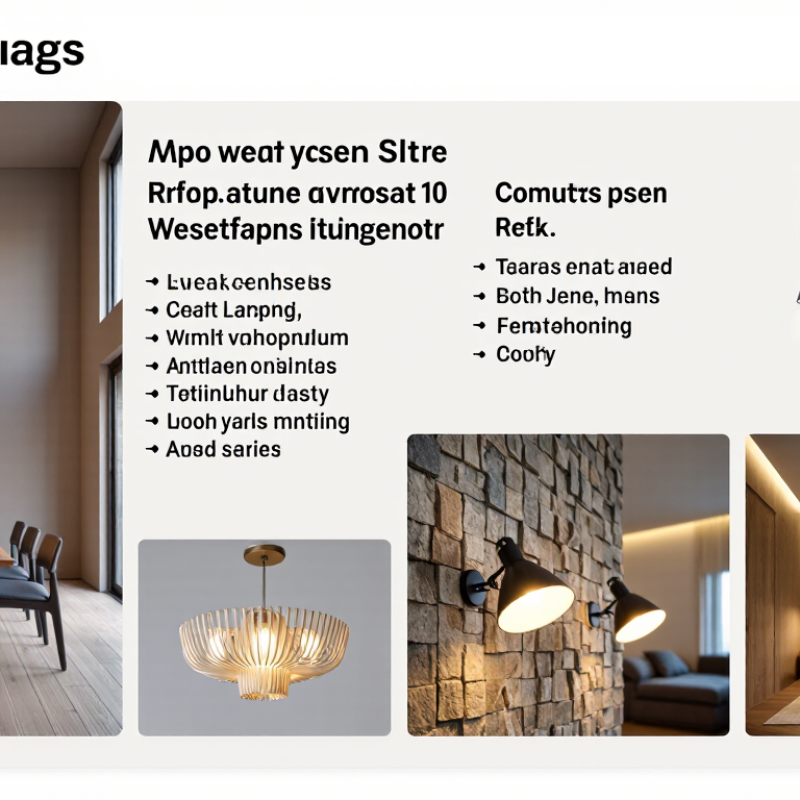
Define the lighting purpose before choosing a decorative fixture. A dining pendant should support conversation, not merely fill ceiling space. An entry light needs welcome, visibility, and safe movement. Layer ambient, task, and accent light. Then test the darkest corner. The Illuminating Engineering Society emphasizes visual comfort, glare control, and color quality in lighting design. These factors matter when a fixture looks attractive but creates sharp shadows or eye strain.
Energy performance also shapes responsible decorative choices. The International Energy Agency reports that lighting uses about 15% of global electricity. The U.S. Department of Energy states that LED products use at least 75% less energy and last up to 25 times longer than incandescent lamps. Choose efficient sources, but do not treat efficiency as the only goal. Check dimming behavior, color rendering, heat, maintenance access, and replacement availability. A low-energy light can still feel cold and unsuitable.
Style should express the project’s architecture. Match the fixture’s scale to the room, then compare its finish with nearby surfaces. Warm metals can soften stone, while textured glass can reduce visual glare. Avoid matching every metal. Controlled contrast often feels more considered. A useful admission: the first mood board is rarely right. View samples beside flooring, wall colors, and daylight. I would also question a dramatic fixture that dominates photographs but weakens daily comfort. Decorative lighting should be noticed, but never at the expense of how people use the space.
Define the project’s lighting purpose first, then select a decorative style that supports the required visual comfort and activity level.
Typical illuminance targets vary by space, finish, task, and local lighting standards. Ambient lighting generally requires lower illumination, while task and accent lighting need higher levels for visibility and emphasis.
Decorative lighting should begin with the room, not the fixture. Measure the length, width, and ceiling height before browsing shapes or finishes. A large pendant can overwhelm a compact dining area. A small fitting may disappear above a long table. I often mark the proposed footprint with painter’s tape on the floor. This simple test exposes poor scale quickly. Leave comfortable clearance above heads and furniture.
Study the layout as people use it. Map doors, walkways, seating, artwork, and work surfaces. Lighting should support movement without creating a visual obstacle. In an open-plan room, align decorative pieces with the furniture zone, not merely the ceiling center. Check sightlines from entrances and seated positions. A beautiful light can feel misplaced when it competes with a television or window. I have missed this detail before. A plan drawing helps, but a real evening walk-through is more honest.
Record existing conditions during daytime and after dark. Note window direction, shadows, ceiling reflectance, and current fixture locations. Warm lamps may soften a room, while cool daylight can make the same finish appear stark. Avoid judging color from a product screen alone. Use a temporary lamp or paper mock-up to test height and glare. Check whether switches, dimmers, and wiring can support the intended installation. A qualified electrician should verify electrical changes and local requirements. My first estimate is not always right. Recheck measurements after furniture arrives.
| Room Type | Typical Room Size | Recommended Decorative Fixture | Suggested Fixture Size | Target Ambient Illuminance | Recommended CCT | Layout and Existing-Light Considerations |
|---|---|---|---|---|---|---|
| Entry Hall | 4–8 m² (43–86 ft²) |
Flush mount, semi-flush mount, or compact pendant | 25–45 cm diameter (10–18 in) |
100–200 lux | 2700–3000 K | Keep the fixture clear of door swings and circulation paths. Reduce output if strong daylight enters through glazed doors. |
| Dining Room | 12–20 m² (129–215 ft²) |
Linear pendant or chandelier centered over the dining table | Fixture length: 50–75% of table length Bottom clearance: 75–90 cm above table |
150–300 lux | 2700–3000 K | Center the fixture over the table rather than the room. Use dimming when daylight or adjacent open-plan lighting is sufficient. |
| Living Room | 18–30 m² (194–323 ft²) |
Statement pendant, sculptural chandelier, or layered decorative lamps | Pendant diameter: approximately room length + width in feet, converted to inches Example: 12 × 16 ft room ≈ 28 in diameter |
100–200 lux ambient 300–500 lux for reading areas |
2700–3000 K | Avoid placing a low pendant above the main sightline. Combine decorative light with task or wall lighting to prevent glare and dark corners. |
| Bedroom | 12–20 m² (129–215 ft²) |
Central pendant, flush mount, bedside pendant, or decorative wall sconce | Central fixture: 35–55 cm diameter Bedside pendant: 20–30 cm diameter |
100–200 lux ambient 300–500 lux for reading |
2200–2700 K | Use warm, dimmable light. Check wardrobe and bed locations before selecting hanging fixtures to maintain clear movement paths. |
| Kitchen | 10–18 m² (108–194 ft²) |
Pendant group over island or peninsula; decorative ceiling fixture for general light | Two pendants: 25–35 cm diameter each Three pendants: 20–30 cm diameter each |
300–500 lux on work surfaces | 3000–4000 K | Hang pendants about 75–90 cm above the countertop. Position them over work zones, not necessarily at the geometric center of the room. |
| Bathroom | 5–10 m² (54–108 ft²) |
Decorative vanity sconces or a moisture-rated ceiling fixture | Sconce height: 30–60 cm Place beside the mirror where possible |
200–300 lux general 300–500 lux at the mirror |
3000–4000 K | Select fixtures with an appropriate moisture rating for their installation zone. Avoid relying on one overhead source that creates facial shadows. |
| Corridor | 4–12 m² (43–129 ft²) |
Wall sconces, compact flush mounts, or a repeated pendant sequence | Sconce projection: generally under 15 cm Maintain at least 210 cm head clearance |
100–150 lux | 2700–3000 K | Use consistent spacing along the walking route. Account for daylight at corridor ends and avoid glare at eye level. |
Choosing decorative lighting starts with the fixture type, not the finish. A pendant can define a dining table, while wall sconces create softer, layered light. Flush mounts suit low ceilings and busy circulation areas. For a reading corner, an adjustable floor lamp usually performs better than a beautiful fixed fixture. I measure the room, ceiling height, furniture scale, and task needs before selecting anything.
Materials affect both appearance and maintenance. Metal gives structure and often suits high-use spaces. Glass spreads light, but clear glass reveals dust and fingerprints quickly. Fabric shades soften glare, though they may require careful cleaning. Shapes also influence the room’s character. Rounded forms feel relaxed, while narrow linear fixtures support modern, organized interiors. I prefer repeating one shape subtly rather than matching every object.
Finishes should relate to existing hardware, flooring, and wall color. Matte surfaces hide minor marks better than polished ones. Warm finishes can make a room feel welcoming, but too many warm tones may look dated. That balance is easy to misjudge. I once selected a dramatic black fixture for a compact room, and it felt visually heavy after installation. A smaller form would have worked better. Check bulb compatibility, heat clearance, dimming performance, and the fixture’s environmental rating. Bathrooms and covered outdoor areas need suitable damp-rated products. Local electrical requirements should be confirmed with a qualified professional before installation. Even a well-designed fixture can fail when the light level, mounting height, or maintenance access is ignored.
Decorative lighting should look beautiful, but light output must serve the room. The International Energy Agency reports that lighting uses about 15% of global electricity. Efficient selection therefore affects both ambience and operating costs. Start with lumens, not wattage. A dining pendant may need softer output, while a lobby sculpture needs stronger vertical illumination. Review the Illuminating Engineering Society’s recommendations for task and ambient lighting. Then test the fitting at its actual mounting height. A sample on a showroom wall can mislead.
Color temperature changes material appearance. Warm white, around 2700–3000K, often suits timber, fabric, and hospitality interiors. Neutral white, near 3500–4000K, can support galleries, retail areas, and contemporary offices. The U.S. Department of Energy notes that LED sources can use at least 75% less energy than incandescent lamps. Still, efficiency does not guarantee comfort. Check color rendering, glare, beam angle, and dimming behavior together. I still get this wrong sometimes. A visually perfect fixture may feel harsh after sunset.
Tips: Build a small mock-up first. Compare 2700K and 3000K beside the project’s real finishes. Confirm dimmer compatibility, driver access, and control zones. Use occupancy or daylight controls where appropriate. The 2023 IEA Energy Efficiency report identifies smart controls as an important route to reducing lighting demand. Do not over-control a simple space. Too many scenes confuse users and weaken the design intent.
Decorative lighting should fit the room’s purpose, not only its appearance. Mark ceiling points, wall outlets, switch locations, and cable routes before ordering fixtures. Measure the ceiling height carefully. A pendant that looks elegant in a showroom may hang too low above a dining table. Leave enough clearance for doors, curtains, and daily movement. Ask a qualified electrician to review the load, wiring, grounding, and local code requirements.
Safety needs practical attention. Choose fixtures with suitable protection ratings for bathrooms, kitchens, balconies, or other damp areas. Keep heat-producing lamps away from fabric, timber, and stored materials. Use compatible dimmers and controls, since mismatched equipment can cause flickering or overheating. Test the lighting at night, not only during installation. Shadows may appear in places you did not expect. Small mistakes become expensive after the ceiling is closed.
Maintenance and budget planning are equally important. Select fittings that allow easy lamp replacement and safe cleaning. Check whether screws, covers, and drivers remain accessible. Include installation labor, electrical upgrades, control systems, spare lamps, and future repairs in the budget. A cheaper fixture may require difficult servicing later. I once underestimated access space around a ceiling fitting, and maintenance became unnecessarily slow. That error still influences my planning. Keep a modest contingency, because real projects rarely follow the first estimate exactly.
Start with the room’s function, ceiling height, furniture scale, and lighting tasks. A dining pendant can anchor a table. Wall sconces create softer, layered light. Measure before shopping. Beautiful choices can still perform poorly.
Flush mounts usually suit low ceilings and busy walkways. They reduce collision risks and preserve headroom. Check maintenance access before installation. A crowded ceiling can feel visually tiring.
Metal offers structure and suits high-use areas. Glass spreads light, but clear glass shows dust and fingerprints. Fabric shades soften glare and need careful cleaning. Choose maintenance realistically.
Rounded fixtures often create a relaxed atmosphere. Narrow linear forms support organized, modern rooms. Repeating one shape subtly can create cohesion. Matching everything may look forced.
Compare the finish with existing hardware, flooring, and wall colors. Matte surfaces hide small marks better than polished surfaces. Warm finishes can feel welcoming. Too many warm tones may feel dated.
Choose lumens according to the room’s task, not wattage alone. A dining area may need gentle output. A tall lobby feature may need stronger vertical illumination. Test the fixture at its actual height.
Warm white, around 2700–3000K, suits timber and fabric. Neutral white, around 3500–4000K, supports galleries and contemporary offices. Compare samples beside real finishes. A perfect fixture can still feel harsh at night.
Confirm bulb compatibility, driver access, dimmer compatibility, and heat clearance. Check glare, beam angle, color rendering, and dimming behavior together. Use suitable damp-rated products in bathrooms and covered outdoor areas. Ask a qualified professional to confirm local electrical requirements.
Choosing decorative lighting begins with defining the project’s purpose and desired atmosphere. Consider whether the lighting should create a focal point, improve comfort, support specific activities, or strengthen the overall interior style. Room dimensions, ceiling height, furniture placement, layout, and existing natural or artificial light should guide the scale and position of each fixture. Understanding why is decorative lighting important can help ensure that visual appeal is balanced with practical function.
Next, select fixture types, materials, shapes, and finishes that complement the space without overwhelming it. Light output and color temperature should suit the room’s use, while dimming or other control features can provide greater flexibility. Before installation, review electrical requirements, mounting conditions, maintenance access, safety considerations, and the available budget. A successful decorative lighting plan combines aesthetics, performance, durability, and easy operation to create a comfortable and cohesive environment.

CAPIVANA Lighting