Decorative lighting plays a crucial role in enhancing the ambiance of any space. According to expert designer Jane Miller, "Good lighting is not just functional; it creates mood and defines spaces." Understanding why decorative lighting is important can transform ordinary rooms into extraordinary environments. With the right light fixtures, you can draw attention to art pieces, highlight architectural features, or create cozy reading nooks.
Moreover, decorative lighting serves practical purposes while enriching aesthetics. It can manage shadows and create depth, making a small room feel larger or a large room feel cozier. Yet, many underestimate its potential. Reflecting on your current lighting choices may uncover underwhelming setups that lack charm.
Ultimately, decorative lighting is vital for both beauty and function. It influences our emotions and behaviors significantly. As we explore why decorative lighting is important, we can appreciate how thoughtful choices transform our everyday experience at home or work.
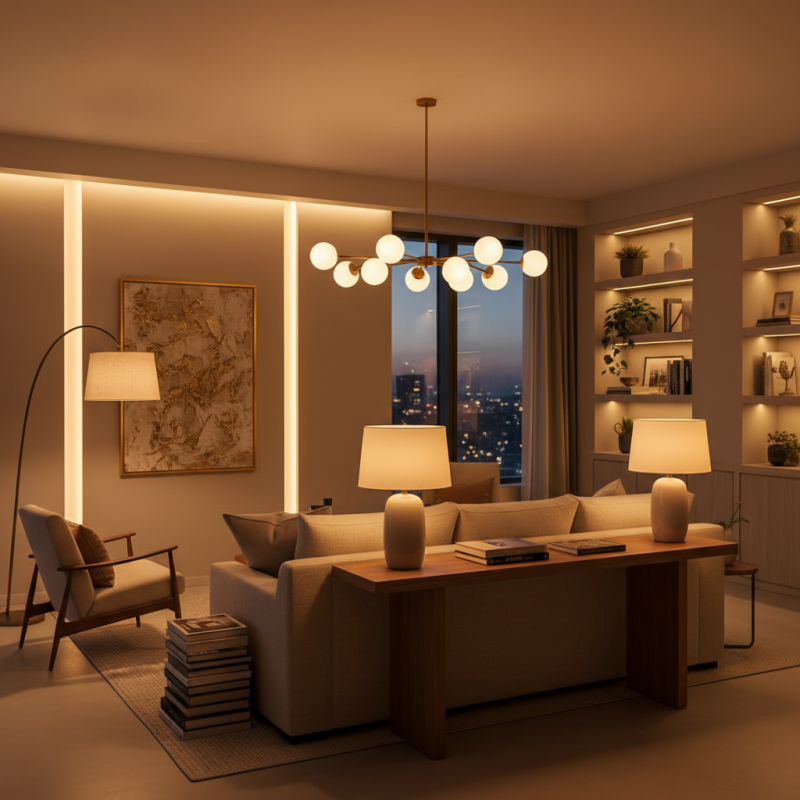
The Role of Decorative Lighting in Enhancing Aesthetic Appeal
Decorative lighting plays a significant role in enhancing a space's aesthetic appeal. It's not just about illumination; it's about creating an atmosphere. According to the American Lighting Association, effective lighting can add as much as 20% to your home's overall value. This statistic underscores the importance of carefully selected lighting fixtures.
Different types of decorative lighting can highlight various aspects of a room. For instance, pendant lights can create a cozy ambience in dining areas, while wall sconces add warmth to living rooms. A well-placed chandelier can serve as a focal point, drawing attention and sparking conversations. However, overusing or misplacing such fixtures can lead to an imbalanced look. Striking the right balance is crucial.
Studies suggest that good lighting influences mood and productivity. An extensive report from the Lighting Research Center found that well-lit spaces can enhance focus by 20% in work environments. Yet, many homeowners overlook the power of lighting design. They choose fixtures based on style alone, neglecting how they interact with the room's layout. Reflecting on these aspects can lead to more satisfying and functional living spaces.
Impact of Decorative Lighting on Mood and Well-Being
Decorative lighting plays a crucial role in enhancing the mood and well-being of individuals in a space. The right lighting can uplift spirits, create warmth, and even boost productivity. According to a report by the American Psychological Association, environments with well-planned lighting can significantly improve emotional states. Spaces filled with natural light contribute to higher levels of happiness and comfort.
Lighting affects our biological rhythms. Insufficient or harsh lighting can lead to fatigue and anxiety. A study by the National Institute of Health highlighted that poor lighting conditions are linked to increased stress levels. Soft, ambient lighting, on the other hand, allows for relaxation and fosters creativity. In homes or workplaces, integrating various lighting sources can create inviting atmospheres.
Moreover, decorative lighting can be an expression of personal style. Each choice, from pendant lights to wall sconces, sends a message. However, not every selection works for every space. Sometimes, overdone lighting can create chaos instead of harmony. Reflecting on the balance of lighting elements can lead to a more cohesive, peaceful environment. Seeking the right blend can be a journey of trial and adjustment, ultimately contributing to an enriched daily experience.
Statistical Insights: How Lighting Affects Productivity and Focus
Decorative lighting plays a crucial role in enhancing productivity and focus in various spaces. A study by the American Society of Interior Designers reveals that 68% of workers said lighting affects their productivity. In environments where employees feel comfortable, they tend to work more efficiently. Proper lighting can significantly impact mood and cognitive performance.
Another report by the Lighting Research Center found that well-lit spaces can boost productivity by up to 20%. The right decorative lighting can create a harmonious atmosphere that encourages creativity and innovation. For example, warm-toned lights are known to promote relaxation and focus, while cool-toned lights are effective in minimizing distractions during tasks.
However, not all decorative lighting is effective. Poor placement can lead to shadows and glare, disrupting focus. It is essential to assess how light interacts with the room’s design. Experimenting with different lighting options can lead to better outcomes. Finding the optimal balance of light can be challenging yet rewarding, enhancing both aesthetics and function.
Design Principles for Harmonizing Decorative Lighting with Space
Decorative lighting plays a crucial role in enhancing the ambiance of any space. According to the American Lighting Association, the right lighting can increase perceptions of warmth and comfort by up to 40%. To achieve this, it's essential to harmonize your decorative lighting with existing design elements in your environment.
When integrating decorative lighting, consider the room's purpose. For instance, warm, dimmable lights are ideal for relaxing areas, such as living rooms or bedrooms. A survey by LightFolio indicated that 70% of homeowners prefer adjustable lighting to suit different moods. It’s important to establish focal points. Strategic placement of light fixtures can draw attention to art pieces or architectural features.
Balancing light and shadow is another vital design principle. A well-lit room should avoid being overly bright; shadows provide depth and interest. The International Association of Lighting Designers recommends mixing task, ambient, and accent lighting. Each layer contributes distinctively to the overall feel. However, caution is needed; over-lighting can diminish the desired effect, leading to a sterile environment. It’s crucial to experiment with different solutions to find the right balance.
Sustainability Considerations in Choosing Decorative Lighting Options
When considering decorative lighting, sustainability should be a top priority. Many consumers are now aware that their choices can affect the environment. According to the U.S. Department of Energy, LED lights consume up to 75% less energy than traditional incandescent bulbs. This significant reduction is essential in an era where energy efficiency is crucial.
Choosing eco-friendly materials is equally important. Decorative lighting fixtures made from sustainable sources, such as reclaimed wood or recycled metals, lessen the environmental impact of manufacturing. A study by the Global Lighting Association found that over 40% of lighting production waste can be prevented through better material choices. Not only does this reflect responsible consumption, but it can also enhance the aesthetic appeal of your space.
However, the implementation of sustainable practices in decorative lighting is not without challenges. Despite the growing availability of environmentally friendly options, many consumers still opt for cheaper, less sustainable alternatives. This choice can undermine progress toward greener living. Educating oneself about the long-term benefits of sustainable lighting is key to making informed decisions that benefit both the individual and the planet.
Impact of Decorative Lighting on Energy Consumption
FAQS
: Decorative lighting enhances aesthetic appeal and creates a specific atmosphere in a room.
Effective lighting can increase a home’s overall value by up to 20%.
Pendant lights are ideal for creating a cozy ambience in dining spaces.
Good lighting can improve focus by 20% in work environments, influencing mood positively.
Sustainable choices reduce environmental impact and energy consumption, promoting responsible consumption.
LED lights use up to 75% less energy than incandescent bulbs.
Eco-friendly materials, like reclaimed wood and recycled metals, enhance aesthetics and reduce waste.
Many select fixtures based solely on style, neglecting their interaction with room layout.
Some consumers still choose cheaper, less sustainable options, hindering progress toward greener living.
Reflecting on lighting design leads to more functional and satisfying living spaces.
Conclusion
Decorative lighting plays a crucial role in transforming a space, enhancing its aesthetic appeal and creating a welcoming atmosphere. By understanding why decorative lighting is important, one can appreciate its ability to influence mood and well-being. Well-placed lighting can evoke positive emotions and improve overall mental health, making it vital for both residential and commercial environments.
Furthermore, studies show that effective lighting significantly impacts productivity and focus, highlighting the need for a thoughtful approach. Design principles are essential when harmonizing decorative lighting with existing décor to achieve a cohesive look. Additionally, sustainability considerations in choosing lighting options ensure that aesthetics do not compromise environmental accountability, making decorative lighting an integral part of modern interior design.

 CAPIVANA Lighting