In today's design landscape, mastering how to combine decorative and functional lighting is critical for creating inviting spaces. According to the American Lighting Association, nearly 70% of homeowners report that lighting significantly influences their mood and productivity. This statistic highlights the importance of strategic lighting choices.
Lighting designer Sarah Thompson emphasizes, "The balance between aesthetics and functionality shapes the heart of a well-designed space." Her insight reflects a growing trend in the industry, where both elements must coexist. Effective combinations not only enhance the ambiance but also improve practicality.
However, achieving this balance can be challenging. Many people struggle to identify the right fixtures that serve dual purposes. Often, decorative lights may lack sufficient brightness, while functional lighting can appear cold or uninviting. Exploring various styles and technologies is essential. Failure to do so may lead to disjointed or ineffective lighting designs.
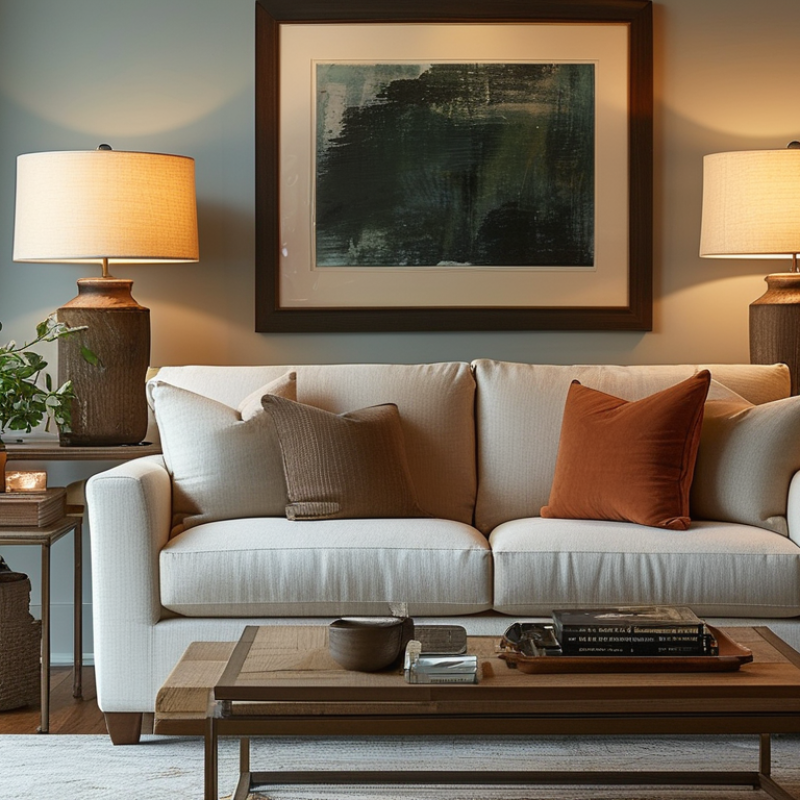
Lighting plays a crucial role in interior design. It can transform a space from dull to inviting. According to the American Society of Interior Designers, effective lighting enhances mood and functionality. About 90% of surveyed designers noted that lighting significantly impacts a room’s ambiance. Choosing the right type and intensity of light is essential for creating the desired atmosphere.
Functional lighting meets practical needs. It illuminates workspaces and highlights architectural features. Decorative lighting, on the other hand, adds style and personality. A Balance is necessary; overemphasizing one can lead to an uninviting environment. A study by the International Association of Lighting Designers revealed that poor lighting can detract from a room’s aesthetic appeal. It is a common oversight, but critical for achieving harmony.
Consider natural light as well. It enhances colors and creates a sense of space. However, relying solely on it may not be sufficient. During darker months, artificial lighting becomes vital. Overlap different sources like task, ambient, and accent lights. Ideal for creating layered lighting that serves both form and function. This complexity can cause struggles for many designers, requiring ongoing research and experimentation. Getting it just right is challenging, but essential for a well-designed space.
When designing a space, it's crucial to understand the difference between
decorative and
functional lighting.
Functional lighting serves a practical purpose.
It illuminates areas for tasks such as cooking, reading, or working. For example,
a well-placed desk lamp or under-cabinet lighting in a kitchen can enhance visibility.
This type of lighting is essential for creating a
safe and productive environment.
On the other hand, decorative lighting
focuses on aesthetics and ambiance. Chandeliers, wall sconces, and decorative pendant lights
add character to a room. They create a mood and
highlight architectural features. Choosing the right decorative pieces can transform a dull room
into a vibrant space.
However, relying solely on decorative lighting can lead to inadequate illumination,
making spaces feel less inviting.
Balancing these two types of lighting is key.
It’s important to mix styles to achieve both beauty and functionality. For instance,
using accent lights alongside a general light source ensures that a room remains practical
without sacrificing style. When lighting a dining area, consider both a stunning chandelier
and wall sconces. Experiment with intensity and layering for the best results.
Finding this balance often requires adjustments and may need rethinking your initial choices.
Creating a harmonious balance between decorative and functional lighting is key to enhancing any space. Research indicates that 75% of designers believe effective lighting design improves a room's ambiance. Combining these two types requires clear design principles that focus on purpose and aesthetics.
Functional lighting should prioritize visibility and task efficiency. This includes using well-placed fixtures for work areas, like desks or kitchens. For instance, LED task lighting increases focus by reducing eye strain. In contrast, decorative lighting draws attention and adds personality. Statement pieces, like chandeliers or unique sconces, can serve as focal points. Yet, they shouldn't overpower the functional aspects or create harsh shadows.
Many interiors overlook the importance of layering light sources. A single fixture rarely meets the diverse needs of the space. Instead, aim for a mix of ambient, task, and accent lighting. According to the American Society of Interior Designers, effective layering can enhance mood and functionality. With careful consideration, spaces can become both inviting and efficient. It’s worth reflecting on the roles of each type, ensuring they complement rather than compete. This balance often leads to a more cohesive interior.
| Lighting Type | Purpose | Design Tips | Examples |
|---|---|---|---|
| Ambient Lighting | Provides overall illumination | Use ceiling fixtures or wall sconces to create a soft glow | Recessed lights, chandeliers |
| Task Lighting | Helps with specific tasks like reading or cooking | Incorporate adjustable fixtures for flexibility | Desk lamps, under-cabinet lights |
| Accent Lighting | Highlight architectural features or decor | Use spotlights or track lighting to draw attention | Gallery lights, table lamps for artworks |
| Decorative Lighting | Serves as a design element | Choose fixtures that complement your decor style | Statement chandeliers, artistic pendant lights |
| Natural Lighting | Utilizes sunlight for illumination | Maximize window placements and use light colors | Skylights, large windows |
Combining decorative and functional lighting is essential for creating a balanced atmosphere. Layered lighting techniques enhance a space's ambiance while serving practical needs. Research shows that well-designed lighting can increase productivity by 20% in workspaces. This suggests that the right mix of light types can greatly impact our daily lives.
Industry data indicates that ambient, task, and accent lighting should be used together for effective layering. Ambient lighting creates overall illumination, while task lighting focuses on specific areas such as desks or reading nooks. Accent lighting highlights artwork or architectural features. Surprisingly, many homes lack this balance. A study revealed that only 40% of residences use layered lighting effectively, indicating a significant opportunity for improvement.
Understanding the role of color temperature is also crucial. Warm light (around 2700K) creates a cozy feel, while cooler light (above 5000K) promotes alertness. Yet, many people stick with one temperature throughout the home. This approach can lead to a bland, uninspired environment. Instead, consider blending temperatures to evoke different moods in various rooms. Experimentation is key to discovering what combinations work best for your unique space.
When choosing lighting, consider functionality and aesthetics. Think about the activities performed in each space. Is it a reading nook or a dining area? Bright task lighting works for kitchens, while softer ambient lighting suits bedrooms. Balance both types of lighting for a harmonious look.
Select fixtures that enhance your style. For example, a minimalist pendant light can add elegance to a dining room. Meanwhile, floor lamps with adjustable brightness can create a cozy atmosphere for reading. Layering different types of light—overhead, accent, and decorative—can elevate any room.
Pay attention to scale and proportion. A large chandelier might overwhelm a small room, while tiny fixtures may get lost in a spacious area. Explore various styles, but ensure they fulfill a need while reflecting your personality. Remember, not every choice will be perfect. Experiment and adjust as needed.
: Functional lighting illuminates spaces for tasks, while decorative lighting enhances aesthetics and mood.
It enhances visibility for tasks like cooking or reading, creating a safe and productive environment.
No, relying solely on decorative lighting can lead to insufficient illumination, making spaces feel less inviting.
Mix styles. Use accent lights with general sources to ensure practicality without sacrificing beauty.
Consider both functionality and aesthetics based on the activities in each space you are lighting.
Yes, layering overhead, accent, and decorative lights can elevate a room's overall look and feel.
Pay attention to scale. Large fixtures can overwhelm, while small ones may not stand out in spacious areas.
Experiment and adjust as needed. Finding the right balance often requires trial and error.
Explore various styles that fulfill needs while showcasing your personal taste for a cohesive look.
Bright task lighting suits reading areas, while softer ambient lighting enhances overall comfort.
In the realm of interior design, understanding how to combine decorative and functional lighting is crucial for creating a harmonious and inviting atmosphere. Decorative lighting serves as an aesthetic element that enhances the overall decor, while functional lighting ensures that spaces are well-lit for practical activities. Differentiating between these types is essential for effective design.
Key design principles focus on combining these lighting types through layered techniques, utilizing ambient, task, and accent lighting to create depth and interest. Practical tips for selecting the right fixtures involve considering the space's purpose, style, and energy efficiency. By thoughtfully integrating decorative and functional lighting, one can elevate the ambiance of any room while also enhancing its usability.

CAPIVANA Lighting