Choosing the right lighting is crucial for any bedroom. The atmosphere can impact sleep quality and overall well-being. Experts suggest that different light sources serve unique purposes. Understanding what lighting is best for bedrooms can help create a relaxing space.
According to a report by the American Lighting Association, 90% of homeowners do not consider lighting when designing their bedrooms. This oversight can lead to less serene environments. Soft, warm lighting is often recommended. It can promote relaxation and improve sleep patterns. However, many people still rely on harsh overhead lights, which may disrupt their mood.
Lighting should be layered. Combining ambient, task, and accent lighting creates depth. For example, bedside lamps can provide soft light for reading. Yet, many choices may overwhelm a homeowner. It is essential to deliberate on how each light type serves your needs. A detailed evaluation of lighting options can lead to a more comfortable and functional bedroom space. This consideration reflects a growing awareness of the importance of proper light in our lives.
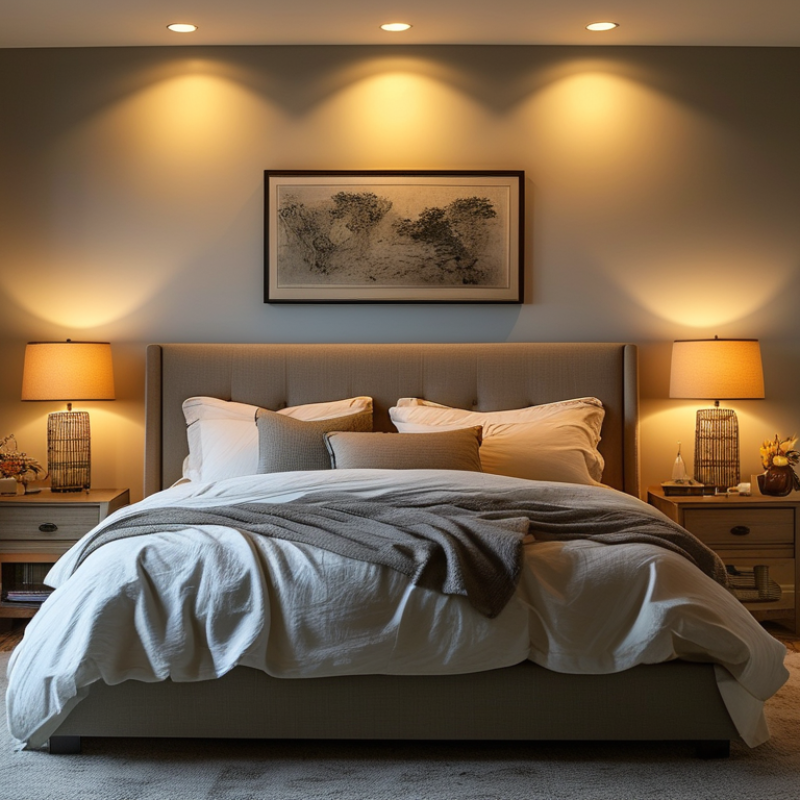
Bedroom lighting plays a significant role in creating ambiance and functionality. According to the American Psychological Association, appropriate lighting can improve mood and enhance relaxation. Dim, warm lighting is often recommended for winding down. Harsh lights can disrupt sleep patterns, leaving you feeling restless.
When selecting lighting, consider layering. Use ambient lighting for general illumination and task lighting for reading or other activities. A study by the Lighting Research Center shows that multiple light sources can increase comfort levels. Inadequate lighting can lead to eye strain and fatigue.
Tips: Opt for adjustable fixtures to control brightness. Natural light can also boost your well-being. During the day, keep curtains open to allow sunlight in. At night, avoid overly bright lights to prepare your mind for sleep. Reflect on your current setup. Is it conducive to relaxation? Make adjustments to enhance your bedroom experience.
When selecting lighting for your bedroom, consider the three main types: ambient, task, and accent. Ambient lighting forms the foundation of your room's overall illumination. It ensures a warm, inviting glow. Use ceiling fixtures or wall sconces to create this base layer of light. Soft, diffused lighting can help set the mood for relaxation.
Task lighting focuses on specific areas for activities like reading or working. Bedside lamps are perfect for this purpose. Choose adjustable models for flexibility. Make sure the light is bright enough but not harsh. It's essential for preventing eye strain. You might find your task lamps frustrating if they don't provide adequate light.
Accent lighting adds character to your bedroom. This could be wall-mounted fixtures or decorative fairy lights. They draw attention to art or architectural features. However, too much accent lighting can feel cluttered. Finding a balance is key. In the end, experiment with different combinations to suit your style and needs.
| Lighting Type | Description | Best Use Case | Examples |
|---|---|---|---|
| Ambient Lighting | Provides overall illumination to the room. | General lighting for daily activities. | Ceiling fixtures, chandeliers, recessed lights. |
| Task Lighting | Illuminates specific areas for tasks. | Reading, studying, or other focused activities. | Desk lamps, bedside reading lamps, under-cabinet lights. |
| Accent Lighting | Highlights architectural features or decorative elements. | Creating visual interest and atmosphere. | Track lighting, wall sconces, picture lights. |
| Natural Lighting | Uses sunlight to illuminate the space. | Boosting mood and energy during the day. | Windows, skylights, light tubes. |
When it comes to choosing lighting for your bedroom, understanding bulb types is essential. LED and incandescent bulbs present different benefits and challenges. LED bulbs are energy-efficient. They have a long lifespan and come in various color temperatures. However, they can sometimes produce a harsher light. This intensity might feel too bright for a cozy bedroom environment.
On the other hand, incandescent bulbs offer a warm glow. This type of light creates a welcoming atmosphere. They are instant-on, meaning you won’t wait for the light to warm up. But they consume more energy and have a shorter lifespan. You might not mind changing them often, but consider the waste generated in doing so.
Lighting should match your needs and preferences. Think about how you use space. If you read at night, dimmable LED may work best. If you enjoy a warm, relaxed ambiance, incandescent might be your choice. Experimentation is key. You may need to try different options until you find what feels just right. Embrace the process of discovering your ideal lighting.
Dimming features in bedroom lighting can transform the atmosphere. With a simple adjustment, you can create a cozy space for relaxation or a bright area for productive work. Soft lighting often helps unwind after a long day. This flexibility improves the mood, making bedrooms truly personal.
Choosing the right dimmer switch is key. Look for options that fit your lighting source, whether it’s LED, incandescent, or another type. Not all dimmers are compatible, which can be frustrating. Sensitive dimmers can flicker or don’t allow for full control. Testing different settings helps in understanding what feels best in your space.
Experimenting with light intensity is fun but challenging. Too bright can feel harsh, while too dim may limit activity. Balancing these is essential. Layering lights with dimming options allows for versatile setups. You can combine bedside lamps with overhead lights, all adjustable to your needs. Remember, the goal is comfort, and sometimes that takes a bit of trial and error.
Natural light plays a vital role in bedroom design. Maximizing sunlight creates an inviting atmosphere. Large windows can enhance the brightness. Use sheer curtains to diffuse harsh rays. Allowing soft light to filter through is essential. This balance promotes relaxation and a soothing environment.
Consider the orientation of your windows. Rooms facing east benefit from warm morning light. South-facing rooms soak in light throughout the day. Reflective surfaces, such as mirrors, can amplify natural brightness. Strategically placing a mirror opposite a window can create a spacious feeling.
However, managing excessive light is also crucial. Too much sun can lead to heat build-up. Think about using blackout curtains during peak hours. Evaluate how much light your bedroom needs at different times. Finding the right balance might take some trial and error. Remember, the goal is a comfortable, inviting space tailored to your needs.
: The three main types are ambient, task, and accent lighting. Each serves a unique purpose.
Ambient lighting creates a warm, inviting glow. It sets the overall mood for relaxation.
Task lighting focuses on areas for activities, such as reading or working. Bedside lamps are a common choice.
Dimming features adjust the atmosphere. They create cozy spaces or bright areas for productivity.
It's important to select dimmers compatible with your lighting source. Compatibility issues can be frustrating.
Large windows and sheer curtains can maximize natural light. This creates an inviting and soothing atmosphere.
East-facing rooms receive warm morning light, while south-facing rooms get sunlight all day.
Excessive accent lighting can feel cluttered. Balancing it with ambient options is necessary.
Mirrors placed opposite windows amplify natural brightness. They can create a more spacious feeling.
Too bright can be harsh, while too dim limits activities. Finding a balance is essential for comfort.
When considering what lighting is best for bedrooms, it’s essential to understand the various types of lighting that can create a comfortable and inviting atmosphere. Ambient lighting serves as the main source of illumination, while task lighting focuses on specific areas for activities such as reading. Accent lighting adds a decorative touch, highlighting artwork or architectural features. Choosing the right bulbs, such as LED or incandescent, plays a crucial role in energy efficiency and light quality. Additionally, incorporating dimming features allows for mood regulation and flexibility, adapting to different times of the day.
Natural light should also be factored into bedroom design, as it enhances the overall ambiance and promotes well-being. By thoughtfully combining these elements—ambient, task, accent lighting, suitable bulbs, and the incorporation of natural light—you can create a harmonious and functional bedroom space that meets your specific needs and preferences.

CAPIVANA Lighting